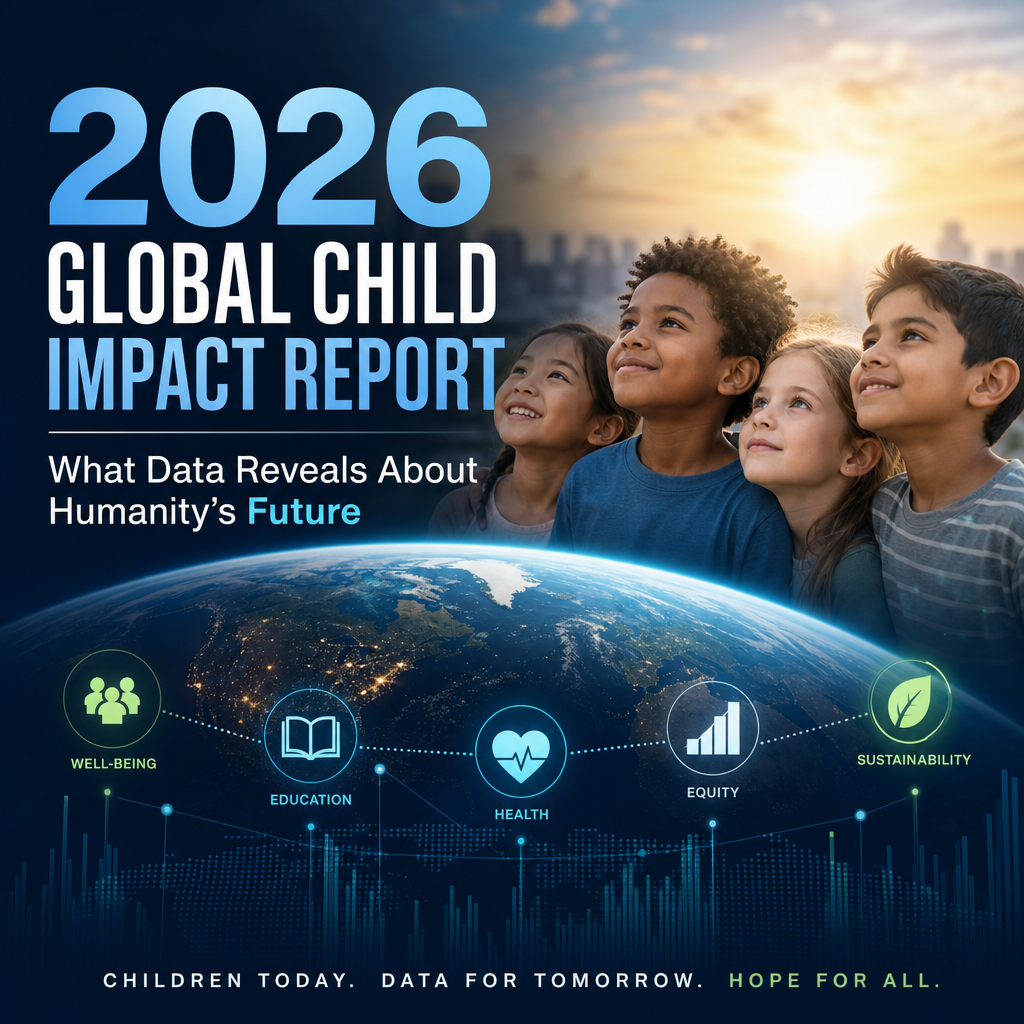

Children facing war, displacement, or disaster often carry invisible wounds long after the crisis ends. The data on mental health support for children in crisis zones shows that early, steady care can help reduce trauma and restore a sense of safety.
GenomeAIx is helping make precision health more accessible by using AI and genomic data to spot risks earlier and tailor care to people who have historically been underserved. By bringing smarter, more personalized tools to vulnerable populations, it is helping close long-standing gaps in diagnosis, prevention, and treatment.
Maternal child health programs are helping families get the care they need before, during, and after birth, creating healthier starts for children and stronger communities overall. By improving access to essential services, these efforts are reducing preventable deaths and supporting long-term growth and wellbeing.
Health Practice AIx is helping reimagine global health access by making care faster, smarter, and more responsive to the needs of both patients and providers. By supporting clinicians and reducing system bottlenecks, it can bring better care within reach for more people, no matter where they live.
Human-AI collaboration is helping shape a future where every child can learn in ways that fit their needs, language, and pace. By combining the reach of AI with the care of teachers, global learning can become more personal, flexible, and inclusive.
Discover how the poignant and powerful experiences of refugees have ignited a transformative shift in understanding and action, ushering in a new era of global responsibility for countries worldwide.
AI-driven training tools are helping schools deliver personalized, flexible professional development that meets teachers where they are. By making support more accessible and efficient, these tools can strengthen classrooms and reduce the pressure on educators worldwide.
aiClasses.io is transforming remote education by giving students in underserved areas access to personalized lessons, expert support, and learning tools once reserved for major cities. With AI-powered instruction, distance no longer has to limit a child’s chance to learn and succeed.
STEM for underserved communities is about more than teaching science and math—it’s about opening doors to opportunity, confidence, and lifelong success. By removing barriers and expanding access, we can help build a new generation of innovators ready to shape the future.
Digital literacy is essential for every child to learn, connect, and thrive in today’s world. Yet millions still lack the devices, access, and skills they need, making the push to close the global education gap more urgent than ever.